AS POET
The End of Childhood
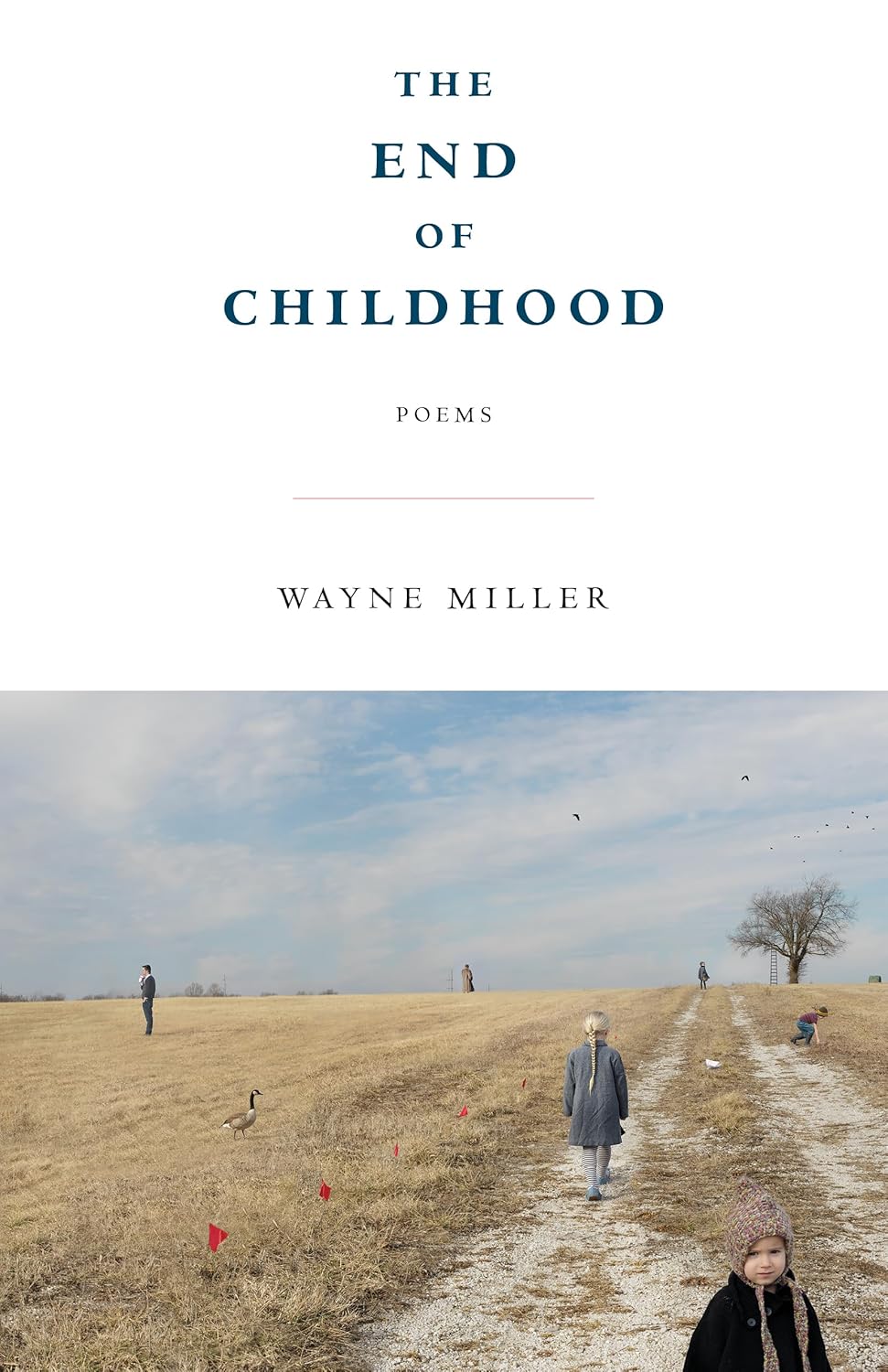
“As in his previous books, Miller continues to write with intelligence and devastating clarity.” —David Starkey, California Review of Books Best Poetry Books of 2025
“In poems that range from intimate reflections to excavations of such phenomena as the pandemic, war, and capitalism, Miller explores how narrative, on both a national and a personal scale, shapes memory and belief. . . . Ultimately, The End of Childhood seems to conclude firmly in a belief in poetry’s capacity to repair at least some of the damages of one’s own childhood, if not the wounds of the world.” —L. A. Johnson, Los Angeles Review of Books
“[T]his book is so much more than a literal lament for childhood. . . . It is about waking up to our adult duty to protect and preserve the stability of life . . . to respect our collective responsibility to each other, to learn from what has happened and prepare for what is to come; to resist the corruption of our present’s most ignominious politics, and instead, to see them clearly, to answer with strength, erudition, and a heart that refuses erasure.” —John McCarthy, RHINO
“[B]rimming with lyrical prowess . . . Wayne Miller’s adept, not obvious, application of poetics creates accessible, yet complex, poems that explore, through memory and experience, the sometimes overwhelming angst of living in a time where dystopia looms around every corner, but also provides the gleaming brightness of love, joy, and beauty . . .” —Shawn Pavey, Cultural Daily
“These are poems on multiple levels of realization, and a broadening scope. . . . Miller knows full well that he and all around him live deep within history, from the best moments through to the worst. . . . Miller is remarkably good at offering poems that hold tight against the lyric, meeting the breath of a moment or a packed thought, nearly into the realm of the koan . . .” —Rob McLennan
“[P]oems that plumb intergenerational trauma . . . [that] move beyond story through Miller’s trademark lyricism, his ability to embody a complex political consciousness . . . The result is a compelling addition to a certain generational approach to fatherhood as poetic subject . . .” —Rebecca Morgan Frank, Literary Hub, Most Anticipated Poetry
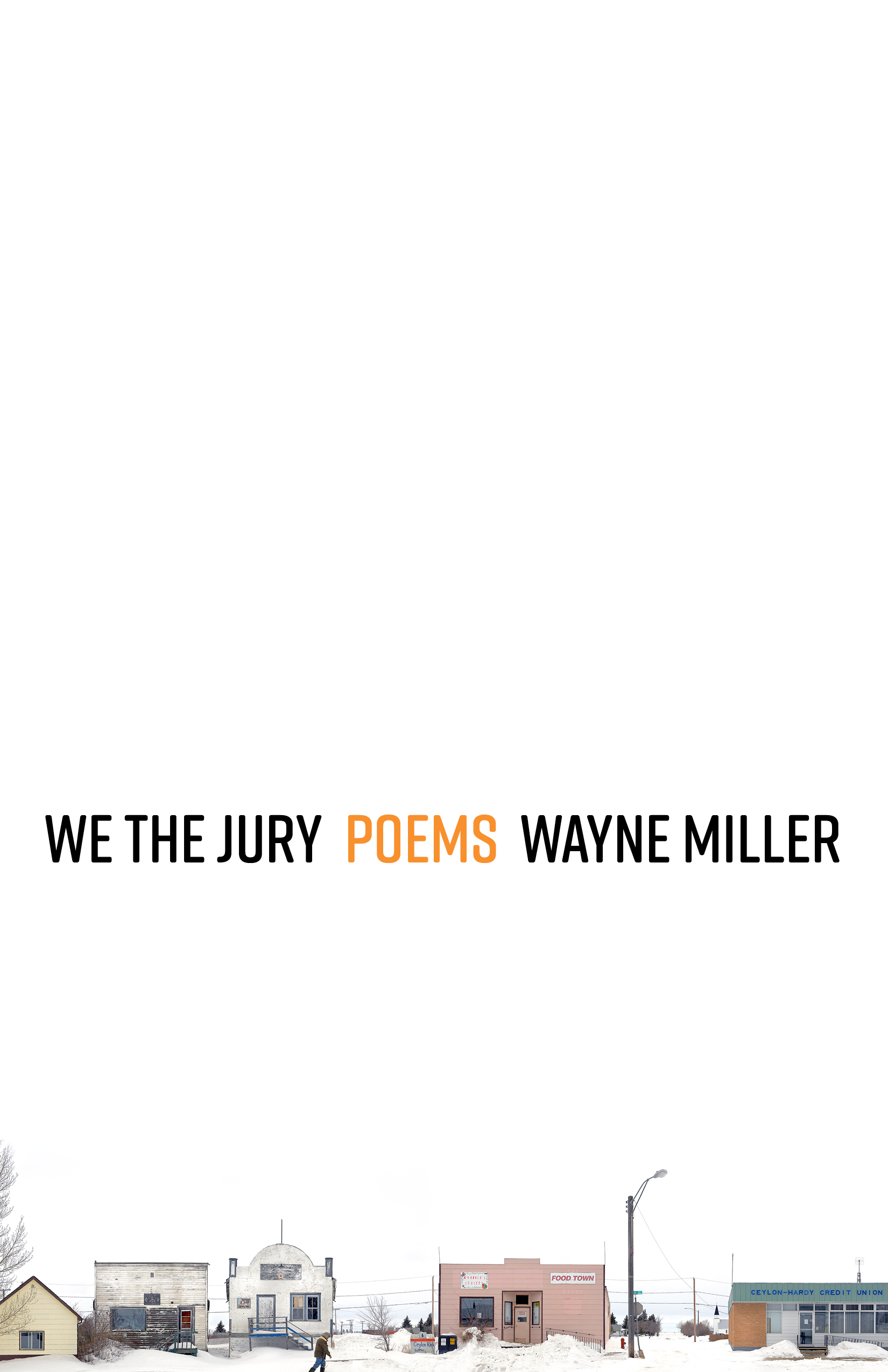
We the Jury
Winner of the 2022 Colorado Book Award
“One of the most outstanding American poets of his generation.” —The Irish Independent
“[A]n introspective call-to-action like no other.” —RHINO
“It’s especially striking to read these poems now, because they feel perfectly suited for our fractured times, but a collection this assured, this perfectly rendered, will remain fresh and equally resonant for future readers.” —Los Angeles Review
Post-
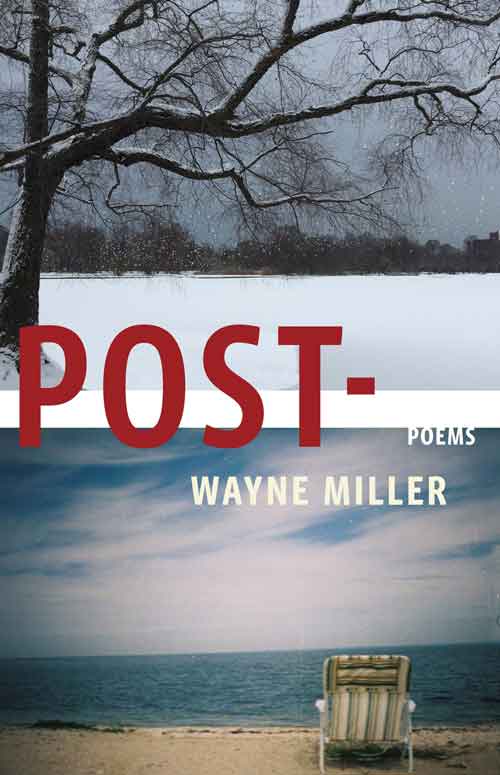
Winner of the 2017 Rilke Prize
Winner of the 2017 Colorado Book Award
“[A] singular figure in American poetry.” —Colorado Review
“[E]xtraordinary poems, chilling in their incisive witnessing of social issues, wise in their perceptiveness about what it is to be human.” —Field
“[W]itty and solemn, stoic and nimble. . . . Shrewdly pithy and nuanced, edgy and commiserating, Miller’s poems are beacons.” —Booklist
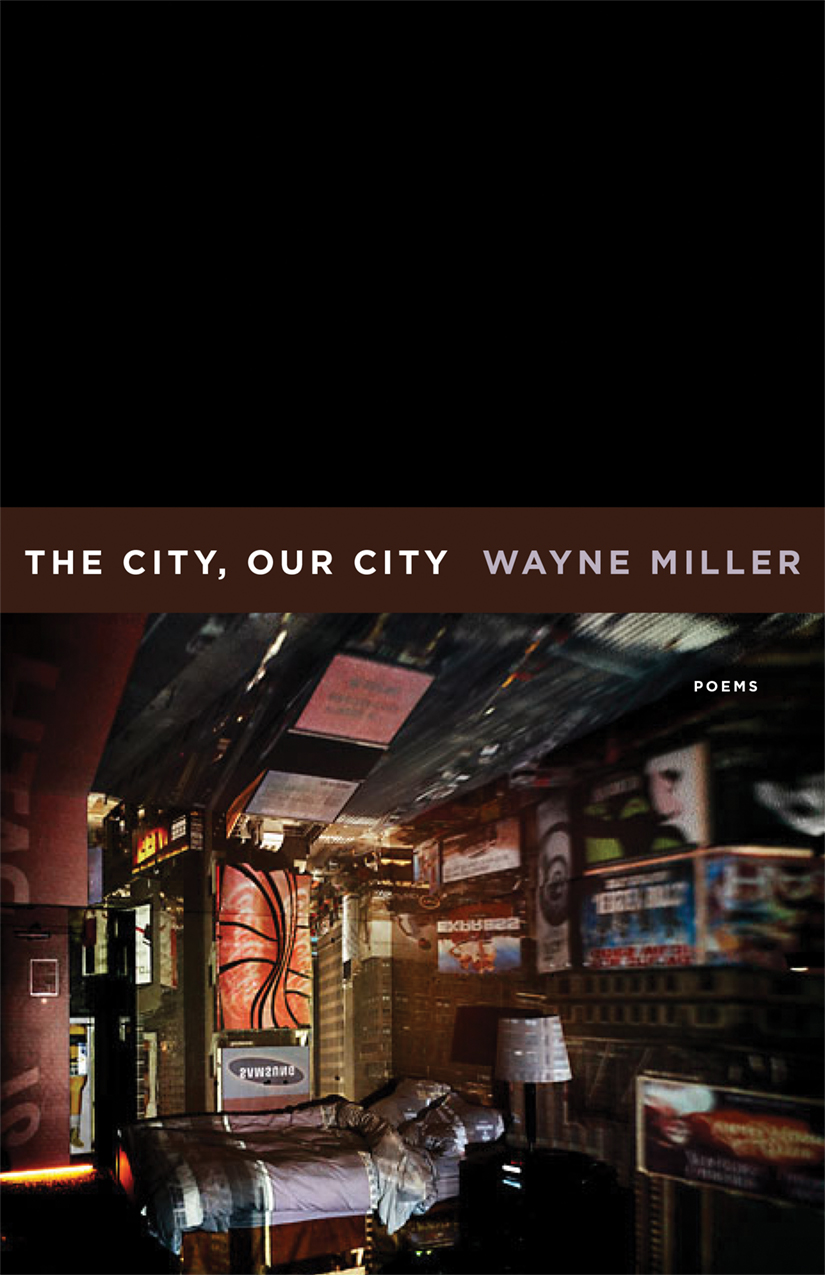
The City, Our City
Shortlisted for the 2012 William Carlos Williams Award
Shortlisted for the 2012 UNT Rilke Prize
“Wayne Miller [is] among the best poets in the USA . . . The City, Our City is through-composed, coherent in the unity of its parts, and terribly moving.” —Notre Dame Review
“[F]ierce lyrical investigations . . . [a] combination of allegory, stark imagism, surrealist panache, and sophisticated tonal movement . . .” —Kenyon Review Online
“However grimly real, some of these poems are also truly beautiful . . . The City, Our City [reminds] us that poets still know it’s their job to think big and to find all sorts of ways to make their poems big as well.” —The Cincinnati Review
The Book of Props
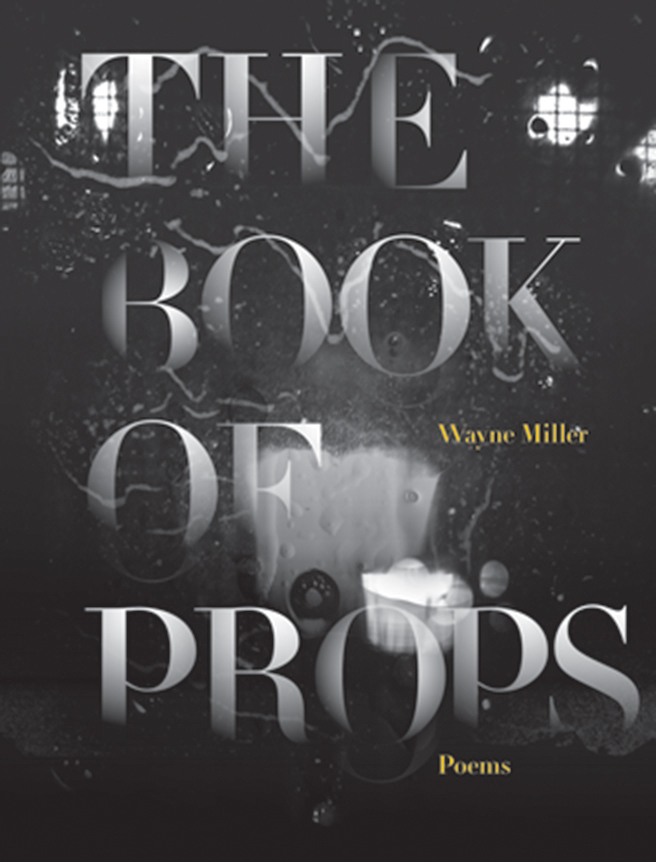
“Miller makes a vast impact using the smallest stroke—he is careful and suspenseful, wary of flamboyance . . . Readers in search of ready-made epiphanies are not welcome here.” —The New Yorker
“His lyrics are steeped in longing, stoked by tender irony and luminous with heightened receptivity. Akin in spirit to the works of Wallace Stevens and Charles Simic, Miller’s poems are profoundly human in their philosophical puzzles.” —The Kansas City Star
“[Miller] provides greater illumination the more that you read him. . . . He has a mind bred from Stevens and an eye bred from Williams . . .” —Coldfront Magazine
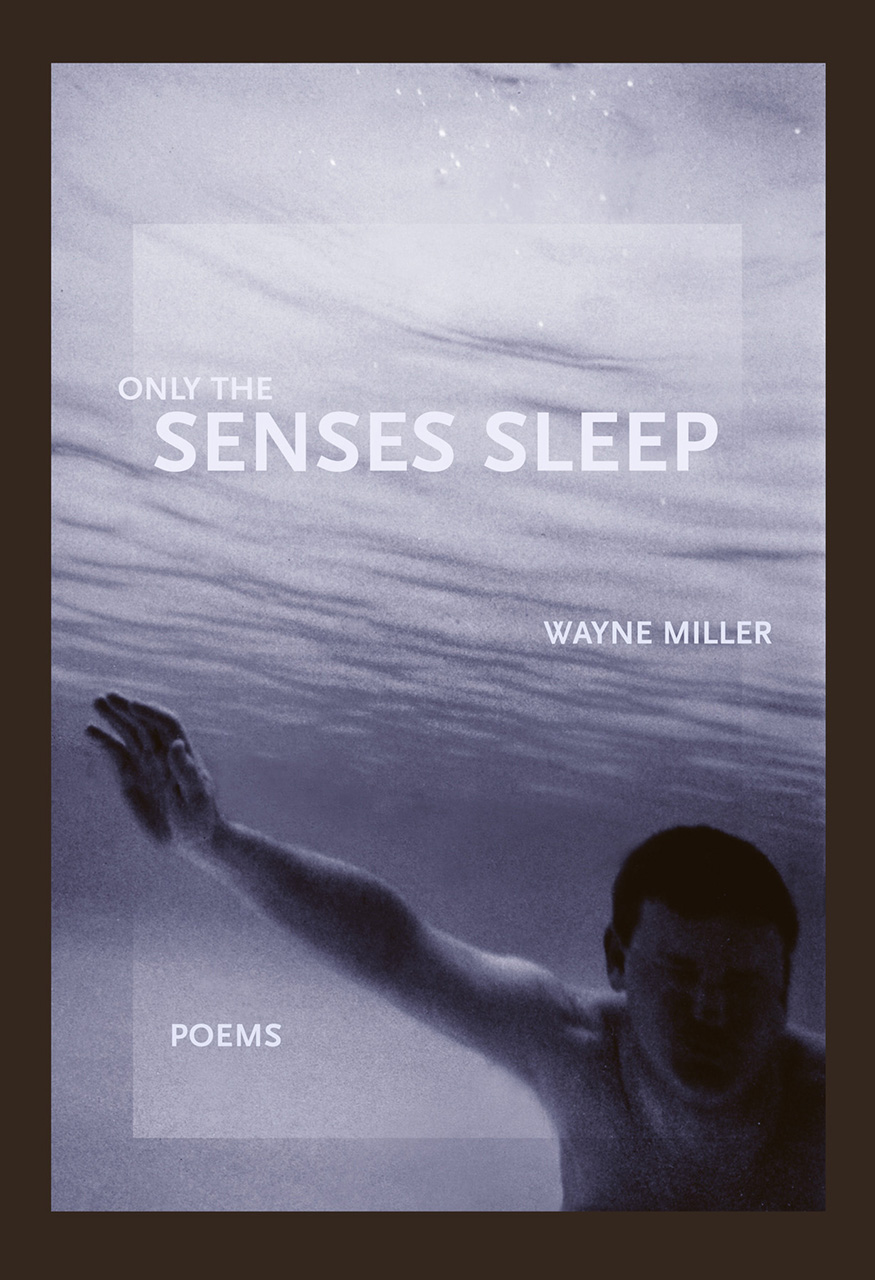
Only the Senses Sleep
Winner of the 2007 William Rockhill Nelson Missouri & Kansas Book Award
“A large-hearted and wise book of poems, one that easily rises above the many piles of debut collections.” —Bloomsbury Review
“Miller’s poems claim that what we often think of as the rock-solid now is really a fluid thing, and the desire to plant our feet firmly in anything is its own kind of foolishness. There’s nothing softheaded about Miller’s complex thinking.” —Lyric Poetry Review
“Miller’s lyric poems are some of the best this reviewer has read for some years. . . . This is not the ambition of noble, inflated lyrics, but the ambition of striking into the bedrock of the fundamental essence of poetry itself.” —Coldfront Magazine